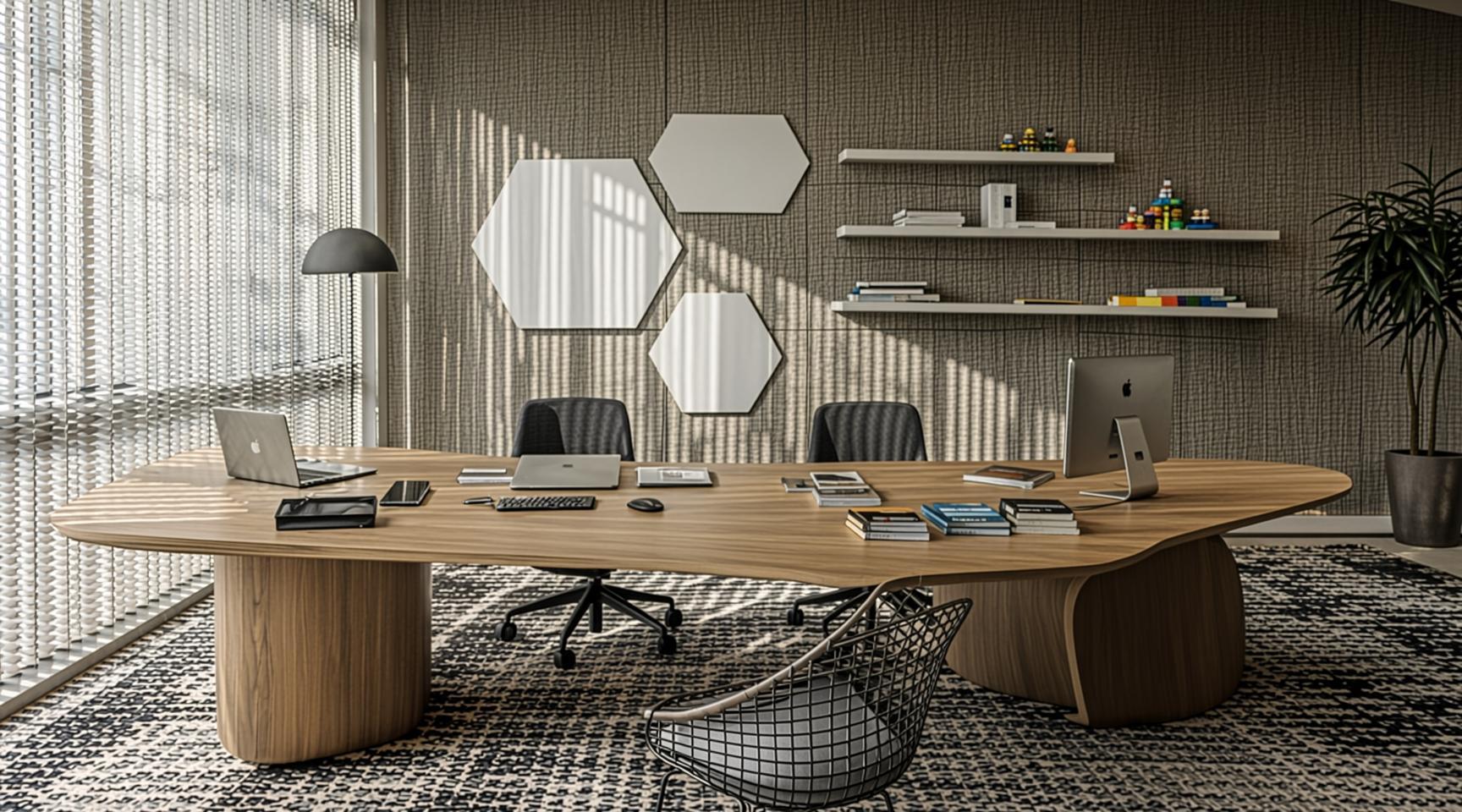
Creating a productive and visually balanced home office requires more than just a desk and a chair. houzz interior design has become a reference point for many homeowners seeking inspiration for thoughtful, functional workspaces. With remote and hybrid work increasingly common, the home office now plays a central role in daily life.
A well-designed home office supports focus, comfort, and long-term usability. By studying curated projects and layout strategies often associated with houzz interior design, homeowners can better understand how to blend aesthetics with practicality.
This guide explores layout planning, furniture selection, lighting strategy, storage integration, and decor decisions specifically tailored to home office environments.
Table of Contents
- Understanding Houzz Interior Design for Home Office
- Layout Planning for Productivity
- Choosing the Right Furniture
- Lighting Design for Focus and Comfort
- Storage and Organization Solutions
- Color Palettes and Decorative Balance
- Technology Integration
- Small Home Office Optimization
- Frequently Asked Questions
- Conclusion
Understanding Houzz Interior Design for Home Office
houzz interior design often emphasizes real-world applications and practical solutions. In a home office context, this means combining ergonomic furniture, efficient layouts, and cohesive decor.
Many designers highlight that a workspace should reflect both personal style and functional necessity. Inspiration galleries and professional portfolios, such as those found on Houzz, frequently showcase balanced home office transformations.
Core Design Principles
- Clear functional zoning
- Natural light utilization
- Clutter reduction
- Comfort-focused seating
- Consistent color schemes
Layout Planning for Productivity
The layout forms the backbone of any home office. Desk placement should consider lighting direction, room dimensions, and traffic flow.
Common configurations include positioning the desk near a window for natural light while avoiding glare directly behind screens.
| Layout Type | Best For | Key Advantage |
|---|---|---|
| Wall-Facing Desk | Small spaces | Maximizes floor area |
| Floating Desk | Open rooms | Encourages visual openness |
| L-Shaped Desk | Multitasking setups | Extra surface space |
| Built-In Workspace | Custom offices | Seamless storage integration |
Choosing the Right Furniture
Furniture should support long working hours without compromising style. Adjustable chairs with lumbar support and desks at appropriate height are essential.
- Ergonomic office chair
- Spacious desk surface
- Mobile storage units
- Compact shelving systems
Many home office examples emphasize simplicity. Avoid overcrowding with oversized pieces that disrupt movement.
Lighting Design for Focus and Comfort
Lighting significantly impacts productivity. Layered lighting solutions combine ambient ceiling lights with task lamps.
Natural daylight improves mood and clarity. If windows are limited, adjustable desk lamps with warm-toned bulbs help reduce eye strain.
Recommended Lighting Layers
- Overhead ambient lighting
- Task lighting for desk surface
- Accent lighting for shelves
- Indirect wall lighting for balance
Storage and Organization Solutions
Clutter disrupts concentration. Smart storage planning keeps surfaces clear while maintaining accessibility.
- Install floating shelves
- Use vertical storage cabinets
- Incorporate drawer organizers
- Label storage containers
Minimal visible clutter contributes to a calmer working environment.
Color Palettes and Decorative Balance
Color influences mood and productivity. Neutral palettes such as soft gray, beige, or muted blues are widely observed in contemporary home offices.
Decorative accents should complement rather than overwhelm the workspace.
- Framed artwork
- Indoor plants
- Textured rugs
- Minimalist wall shelving
For broader interior context, resources like Interior Design offer background on design fundamentals and spatial planning.
Technology Integration
Modern home offices require seamless integration of technology. Cable management systems prevent visual clutter and maintain safety.
- Hidden cable trays
- Wireless charging pads
- Wall-mounted monitors
- Integrated power outlets
Discreet integration keeps the focus on productivity rather than equipment.
Small Home Office Optimization
Limited space does not prevent thoughtful design. Compact desks, vertical shelving, and fold-away solutions maximize efficiency.
Mirrors and lighter wall tones can make smaller offices appear larger and brighter.
Frequently Asked Questions
What makes houzz interior design popular for home offices?
It highlights real-world projects that balance aesthetics and functionality, offering practical layout and decor solutions.
How important is ergonomic furniture?
Ergonomic furniture supports posture and comfort during extended work periods.
Can small rooms become effective home offices?
Yes, with strategic furniture selection and vertical storage solutions, even compact areas can be productive.
Should the desk face a window?
Facing natural light can improve focus, but avoid direct glare on screens.
What colors are best for concentration?
Soft neutrals and muted tones often create calm environments conducive to work.
How do I keep my office organized long term?
Regular decluttering and defined storage systems help maintain order.
Conclusion
A thoughtfully designed home office reflects both personal style and practical needs. Drawing inspiration from houzz interior design principles allows homeowners to create workspaces that feel intentional and balanced.
By prioritizing layout efficiency, ergonomic comfort, lighting strategy, and cohesive decor, a home office can become a productive environment that supports long-term success and visual harmony.