
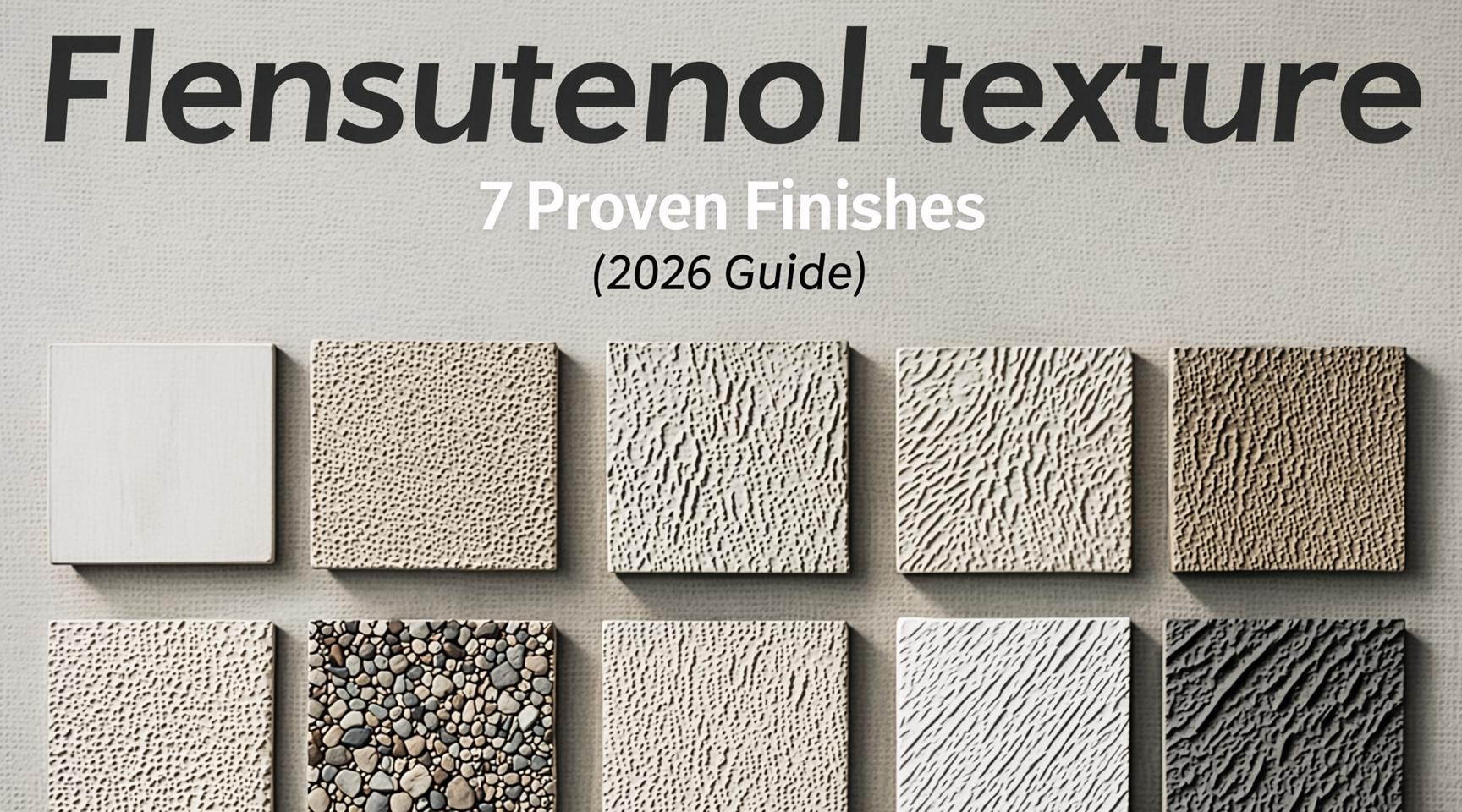
Interior surfaces define the character of a space. From minimalist smooth finishes to dramatic architectural treatments, wall textures influence light reflection, mood, and perceived depth. Among emerging decorative finishes, flensutenol texture is gaining attention in home improvement circles for its layered appearance and adaptability.
Homeowners seeking distinctive wall treatments are increasingly moving beyond standard paint. The right texture adds dimension, conceals imperfections, and enhances durability without overwhelming the room.
This in-depth 2026 guide explores flensutenol texture, its benefits, application strategies, design integration tips, and long-term performance considerations for modern residential projects.
What Is flensutenol texture?
flensutenol texture is a decorative wall and ceiling finishing technique that creates layered, tactile surface patterns using specialized plaster or compound blends. It is designed to enhance visual depth, improve minor surface concealment, and provide a refined architectural aesthetic for residential and light commercial interiors.
Why flensutenol texture Is Gaining Popularity
Textured wall finishes are re-emerging as homeowners look for surfaces that feel crafted rather than flat. flensutenol texture appeals to both contemporary and transitional design styles.
- Adds dimensional depth to plain walls
- Diffuses light for softer visual impact
- Helps conceal minor drywall imperfections
- Creates custom high-end finishes
- Pairs well with modern and classic décor
Decorative finishes have long influenced architectural design history, as noted in Wikipedia discussions on plasterwork traditions.
Types of flensutenol texture Finishes
1. Subtle Brushed Finish
Light tool strokes create understated movement, ideal for bedrooms and offices.
2. Layered Trowel Finish
Multiple overlapping passes create depth and organic variation.
3. Modern Concrete-Style Finish
Industrial-inspired smooth texture with slight tonal shifts.
4. Accent Wall Pattern Finish
Heavier texture applied to focal walls for dramatic contrast.
Benefits of Installing flensutenol texture
- Durability: Thicker coatings resist minor scuffs better than standard paint.
- Visual Interest: Adds sophistication without heavy décor.
- Low Maintenance: Minor surface marks blend into pattern.
- Customization: Adjustable thickness and tool technique.
- Value Enhancement: Elevates perceived design quality.
Interior upgrades that enhance perceived craftsmanship often influence home valuation trends, a topic frequently analyzed by publications such as Forbes.
How to Apply flensutenol texture
- Surface Preparation: Clean, sand, and prime the wall.
- Mix Preparation: Blend compound to recommended consistency.
- Base Layer Application: Apply evenly using a steel trowel.
- Texture Formation: Create patterns with brushes, rollers, or trowels.
- Drying Time: Allow full cure before sealing or painting.
- Optional Sealing: Apply matte or satin protective topcoat.
Comparison: flensutenol texture vs. Standard Paint
| Feature | flensutenol texture | Standard Paint |
|---|---|---|
| Surface Depth | High | Low |
| Imperfection Concealment | Moderate to High | Low |
| Application Time | Longer | Short |
| Design Impact | Architectural | Minimal |
Common Challenges and Risks
- Inconsistent application thickness
- Visible seam lines
- Improper drying between layers
- Over-texturing small spaces
- Skipping primer preparation
Professional installation may reduce visible errors, especially for large open-plan areas.
Design Integration Strategies
For best results, coordinate flensutenol texture with overall interior elements:
- Pair with neutral color palettes
- Use directional lighting to highlight patterns
- Limit to feature walls in compact rooms
- Combine with minimalist furniture
- Complement with matte metal fixtures
Market Outlook for flensutenol texture in 2026
Home improvement trends indicate growing demand for textured surfaces that combine craftsmanship with durability. As minimalist interiors dominate, subtle surface dimension offers character without clutter.
Manufacturers are refining eco-friendly compound formulas and low-VOC mixtures to align with sustainability standards.
Future Trends in flensutenol texture
- Micro-layer ultra-thin finishes
- Earth-tone pigment blends
- Water-resistant bathroom adaptations
- Acoustic-enhancing textured surfaces
- Hybrid plaster-resin formulations
Common Mistakes to Avoid
- Applying too thick in a single coat
- Ignoring curing time
- Using incompatible sealants
- Failing to test pattern on sample board
- Overloading decorative walls in small rooms
Frequently Asked Questions
Is flensutenol texture suitable for all rooms?
It works well in living rooms, bedrooms, and hallways. Bathrooms require moisture-resistant sealants.
How long does flensutenol texture last?
With proper sealing and maintenance, it can last many years without noticeable degradation.
Can flensutenol texture be painted over?
Yes, once fully cured, it can be painted or tinted to adjust color tone.
Is professional installation necessary?
DIY application is possible, but professional installers ensure consistent finish quality.
Does flensutenol texture increase home value?
While not guaranteed, refined wall finishes may enhance perceived interior quality.
Is flensutenol texture hard to maintain?
Routine dusting and gentle cleaning are usually sufficient.
Can it be removed later?
Removal requires sanding or resurfacing, depending on thickness.
Conclusion
flensutenol texture offers homeowners a distinctive way to elevate interior surfaces with depth and refinement. When thoughtfully applied, it enhances visual appeal while maintaining durability.
As 2026 design trends continue emphasizing craftsmanship and subtle dimension, flensutenol texture remains a versatile and forward-looking home improvement solution.



![look what mom found: 12 Smart Office Finds [2026 Guide]](https://contractorswarehouse.org/wp-content/uploads/2026/03/2033836504639344640-300x167.jpg)
![lookwhatmomfound giveaways: 10 Builder Wins [2026 Guide]](https://contractorswarehouse.org/wp-content/uploads/2026/03/2033866803544854528-300x167.jpg)